The T.E.E guide
Boxy, regular or relaxed: find your T-shirt shape
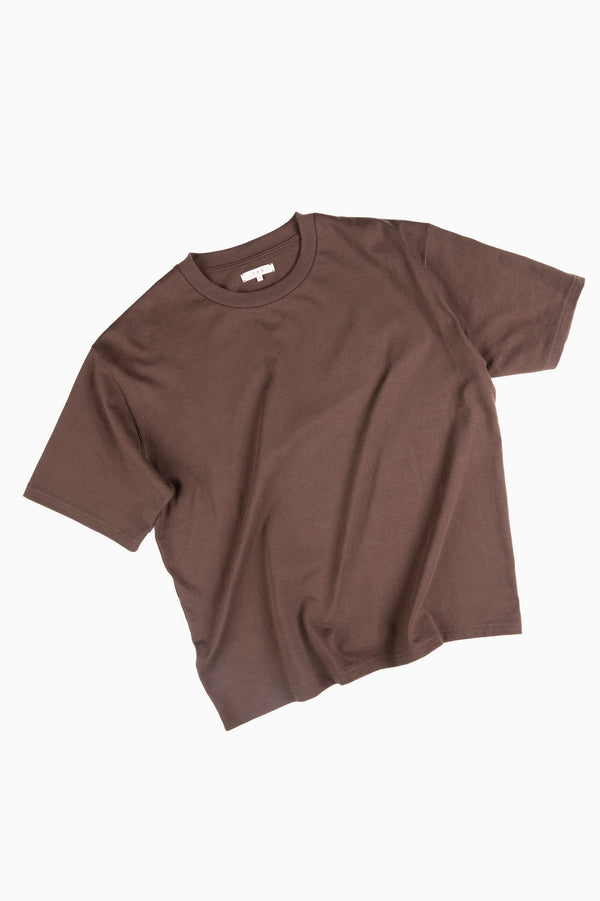
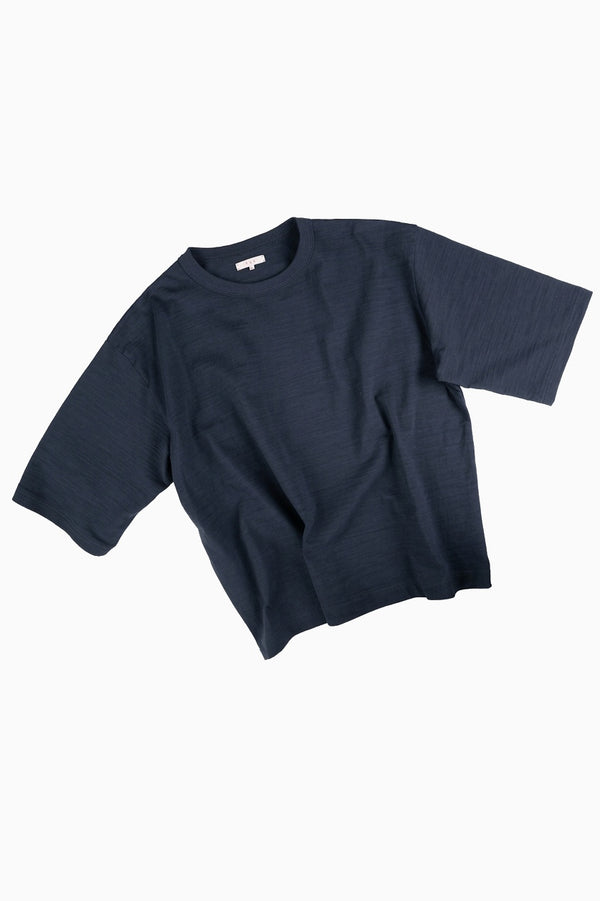
A boxy tee emphasises width relative to length, a regular tee follows more familiar proportions, and a relaxed tee offers a looser overall silhouette. These words are useful starting points, but the garment measurements show how a particular tee is actually cut.
What makes a tee look boxy?
The relationship between body width and length matters more than either measurement on its own. A wide chest paired with a shorter body can create a square outline. Shoulder and sleeve proportions also affect where the garment falls.
T.E.E's Lightweight tee is described as cropped and boxy. Its size M measurements include a 65.5 cm chest width, 55.5 cm shoulder and 69 cm body length. Those measurements help explain the silhouette more clearly than the word lightweight.
What does regular fit mean in the T.E.E collection?
Balanced tee is the classic, regular option. In size M it has a 61 cm chest width, 54 cm shoulder and 68 cm body length. Compared with Lightweight tee in the same size, it is 4.5 cm narrower across the chest.
Their body lengths are close, yet the width differs. This means a tee can look more compact or more boxy without a large change in length. Regular does not mean fitted for every body; compare it with a tee you already wear.
How is the long, relaxed tee different?
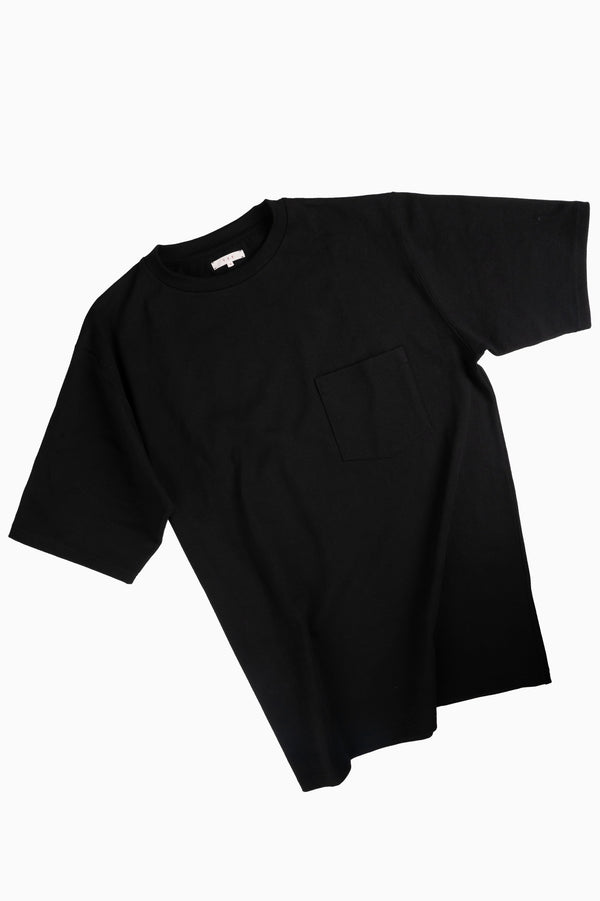
Heavy pocket tee combines a longer silhouette with a relaxed shape. Size M has a listed 80 cm body length, 61 cm chest width and 52 cm shoulder. The extra body length is a major difference from the other two styles.
Heavy pocket tee and Balanced tee share the listed size M chest width, but their lengths and shoulders differ. Relaxed therefore should not be read as simply wider in every direction. Read the whole pattern of measurements.
How can you judge proportions before buying?
- Compare your reference tee with the trousers you wear most often.
- Check whether you prefer the hem higher on the body or extending farther over the trousers.
- Look at shoulder width and sleeve length alongside chest width.
- Choose a cut before using size changes to fine-tune it.
Photographs can help you visualise a shape, but styling, posture and camera angle affect what you see. Use the measurement chart to ground that impression in numbers. There is no single correct silhouette; the useful choice is the one that works with your body and wardrobe.